
Do Electric Cars Have Gears
2025-06-27
Do Electric Cars Have Gears?
As electric vehicles (EVs) gain popularity for their sustainability and quiet operation, a common question arises: Do electric cars have gears? Unlike traditional internal combustion engine (ICE) vehicles, which rely on multi-speed transmissions, EVs have distinct powertrain designs. This blog post will demystify EV transmission systems, explaining whether gears are present, how they function, and why their role differs from conventional cars.
The Basics of Electric Vehicle Powertrains
How Electric Motors Work
Electric cars are powered by electric motors that convert electrical energy into rotational motion. Key characteristics of EV motors include:
- Wide Speed Range: Most motors operate efficiently from 0 to over 15,000 RPM, unlike ICE engines that require gear changes to stay within an optimal RPM band (typically 2,000–6,000 RPM).
- Instant Torque: Full torque is available from zero RPM, eliminating the need for low gears to build speed.
Traditional vs. Electric Powertrains
|
Feature
|
Internal Combustion Engine
|
Electric Vehicle
|
|
Transmission Type
|
Multi-speed (5-10 gears)
|
Single-speed or multi-speed (rare)
|
|
Torque Delivery
|
Peak torque at specific RPM
|
Instant torque across RPM range
|
|
Efficiency
|
30-40% due to gear losses
|
85-95% with minimal transmission loss
|
Do EVs Have Gears? The Answer
Yes, But Not Like Traditional Cars
Almost all electric cars have at least one gear, but the design is vastly simplified:
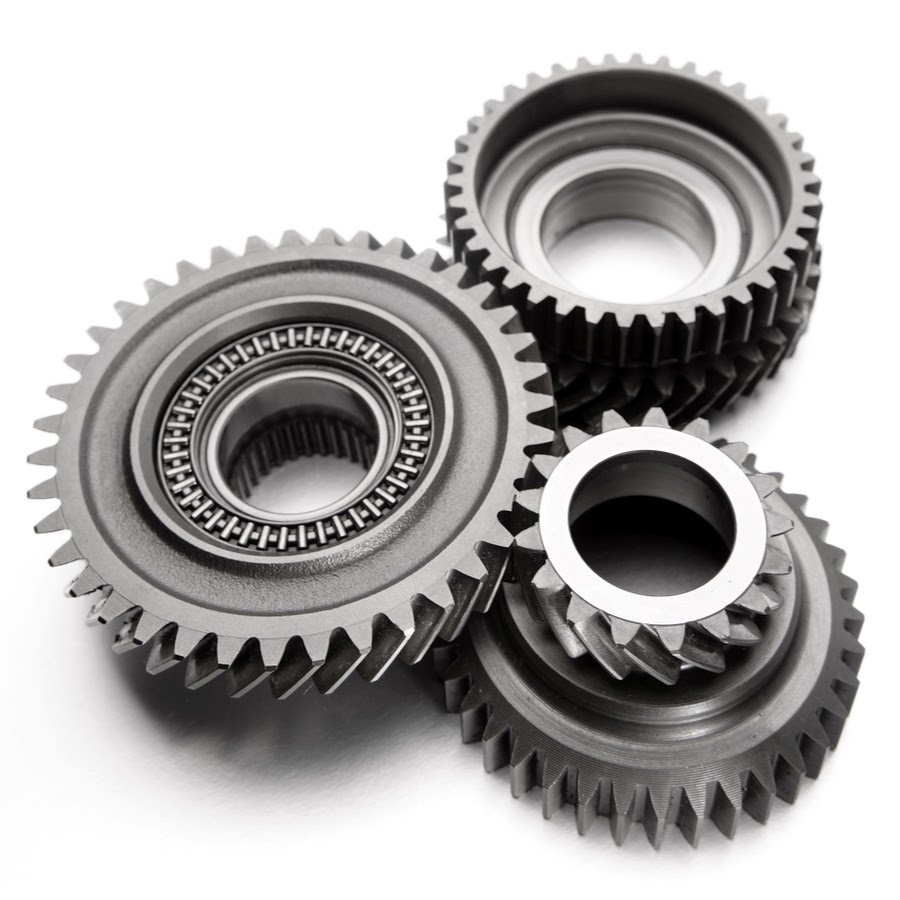
- Single-Speed Gearbox: The most common setup, featuring a single reduction gear that connects the motor to the wheels.
- Multi-Speed Transmissions: Rare in mainstream EVs but used in high-performance models (e.g., Porsche Taycan, Rimac Nevera) to optimize efficiency at high speeds.
Why Single-Speed Gears Are Standard
- Motor Efficiency Range: Electric motors produce usable torque from idle to maximum RPM, making additional gears unnecessary for most driving scenarios.
- Simplicity and Weight: Fewer moving parts reduce mechanical loss, weight, and maintenance (no clutch, no gear shifting mechanisms).
- Cost-Effective: Single-speed systems are cheaper to manufacture and repair compared to complex multi-speed transmissions.
The Role of Gears in Electric Vehicles
1. Speed Reduction and Torque Multiplication
Even with a single gear, the transmission serves a critical purpose:
- Gear Ratio: Typically between 7:1 and 10:1, reducing the motor’s high RPM to a practical wheel speed.
Example: A motor spinning at 10,000 RPM with a 9:1 gear ratio drives the wheels at ~1,111 RPM (adjusted for tire size).
- Torque Conversion: Increases motor torque to match driving demands, leveraging the motor’s inherent high torque output.
2. Multi-Speed Gears in High-Performance EVs
While rare, multi-speed transmissions offer benefits for specific use cases:
- Low Gear: Provides extra torque for rapid acceleration (e.g., launch control in sports cars).
- High Gear: Reduces motor RPM at highway speeds, improving efficiency and range (e.g., Porsche Taycan’s 2-speed gearbox increases top-speed efficiency by 5-10%).
- Challenges: Add complexity, weight, and cost, requiring precise software control to manage gear shifts without torque interruption.
Advantages of Simplified EV Gear Systems
1. Enhanced Reliability
- Fewer mechanical components mean less wear and tear. EV transmissions often have a lifespan matching the motor (10+ years), unlike ICE transmissions that require frequent service.
2. Noise and Vibration Reduction
- Single-speed gears operate with minimal backlash and smooth meshing, contributing to the famously quiet EV cabin. In contrast, ICE transmissions can generate noise from gear teeth engagement, especially at high speeds.
3. Space and Packaging Benefits
- The compact design of EV gearboxes allows more room for batteries or passenger space, a key advantage in designing sleek, aerodynamic vehicles.
Exceptions and Emerging Trends
1. All-Wheel Drive EVs and Multiple Gears
Some AWD EVs use dual motors with separate gearboxes for front and rear axles:
- Tesla Model S Plaid: Three motors with individual gear ratios for optimized torque distribution (front motor: 9.73:1, rear motors: 10.5:1).
- This setup enables dynamic torque vectoring for better traction and performance without a single multi-speed transmission.
2. The Future of EV Transmissions
- 800V Systems and Higher Speeds: As motors spin faster (e.g., 30,000 RPM in Formula E), multi-speed gears may become more common to keep wheel speeds within optimal limits.
- Integrated E-Axles: Manufacturers like Volkswagen and 比亚迪 (BYD) are developing "e-axle" systems that integrate the motor, gearbox, and inverter into a single unit, further improving efficiency and compactness.
- Material Innovations: Lightweight materials (aluminum, carbon fiber) and precision manufacturing reduce gearbox weight and enhance durability.
Common Misconceptions About EV Gears
1. "Electric Cars Don’t Need Gears Because They Have Instant Torque"
- Fact: While instant torque eliminates the need for low gears, a reduction gear is still necessary to convert the motor’s high RPM into usable wheel speed. Without gears, a 10,000 RPM motor would spin wheels at impractical speeds (e.g., ~300 mph with no reduction).
2. "Single-Speed Gears Limit Top Speed"
- Fact: Top speed in EVs is limited by motor power and aerodynamics, not gear ratios. For example, the Lucid Air reaches 168 mph with a single-speed transmission, while the multi-speed Porsche Taycan tops out at 161 mph (gear design prioritizes efficiency over absolute speed).
Conclusion: Gears Exist, But Differently in EVs
Electric cars do have gears, but their role and design are a far cry from traditional transmissions. Most EVs rely on simple single-speed gearboxes to reduce motor speed and multiply torque, leveraging the electric motor’s wide efficiency range to eliminate the need for shifting. While multi-speed systems remain niche, they highlight the flexibility of EV powertrains to balance performance and efficiency.
As the EV industry evolves, gear systems will continue to adapt—whether through integrated e-axles, advanced materials, or smart multi-speed designs. The key takeaway? EV gears are quieter, simpler, and more efficient, proving that even familiar components can be reimagined for a sustainable future.
Whether you’re comparing EV models or simply curious about how they work, understanding the role of gears helps appreciate the elegant engineering behind these revolutionary vehicles.
How to Adjust Front Derailleur Gears
What Is a Pinion Gear
Related Article

Gears are the backbone of mechanical transmission systems, converting rotational motion and torque between shafts to power everything from household appliances to industrial machinery.
What are the 4 types of gears

CNC machines (Computer Numerical Control machines) have transformed manufacturing by delivering unmatched precision, repeatability, and efficiency across material types—from metals to plastics and composites.
Which Industries Mostly Use CNC Machines

CNC machining is celebrated for its precision and versatility in shaping metals, plastics, and composites—but its subtractive nature (removing material from a solid workpiece to create parts) raises a critical question: “Is CNC machining wasteful?” At first glance, the piles of metal shavings, plastic chips, and scrapped parts from CNC operations might suggest yes.
Is CNC machining wasteful
