


Machining Anodized Aluminum Parts
HS-305
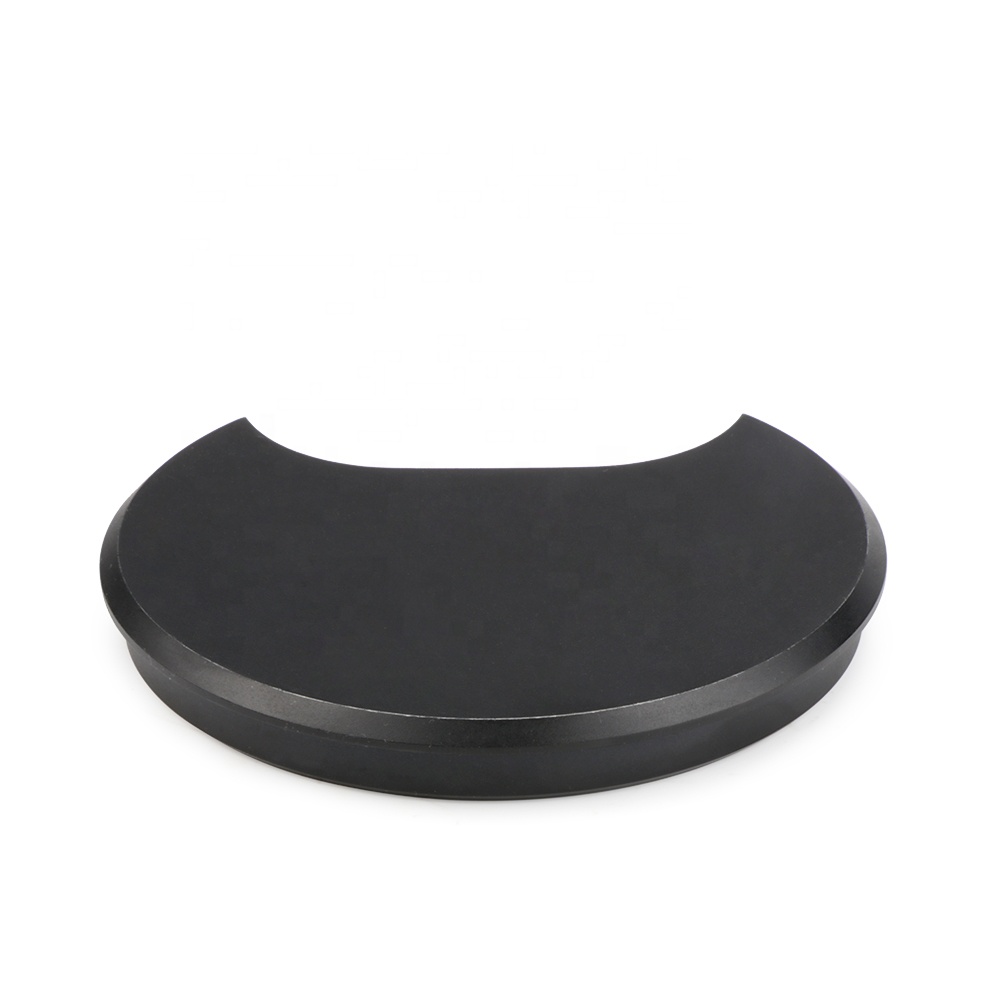
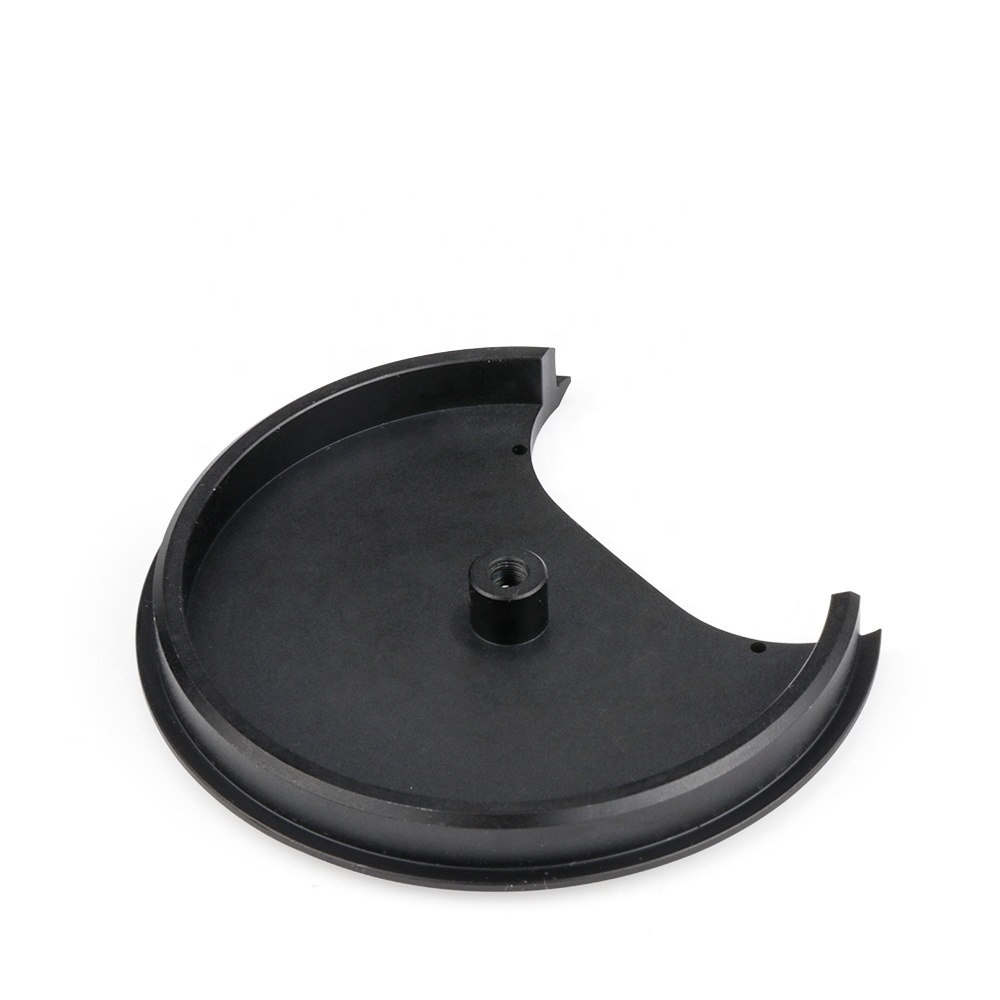
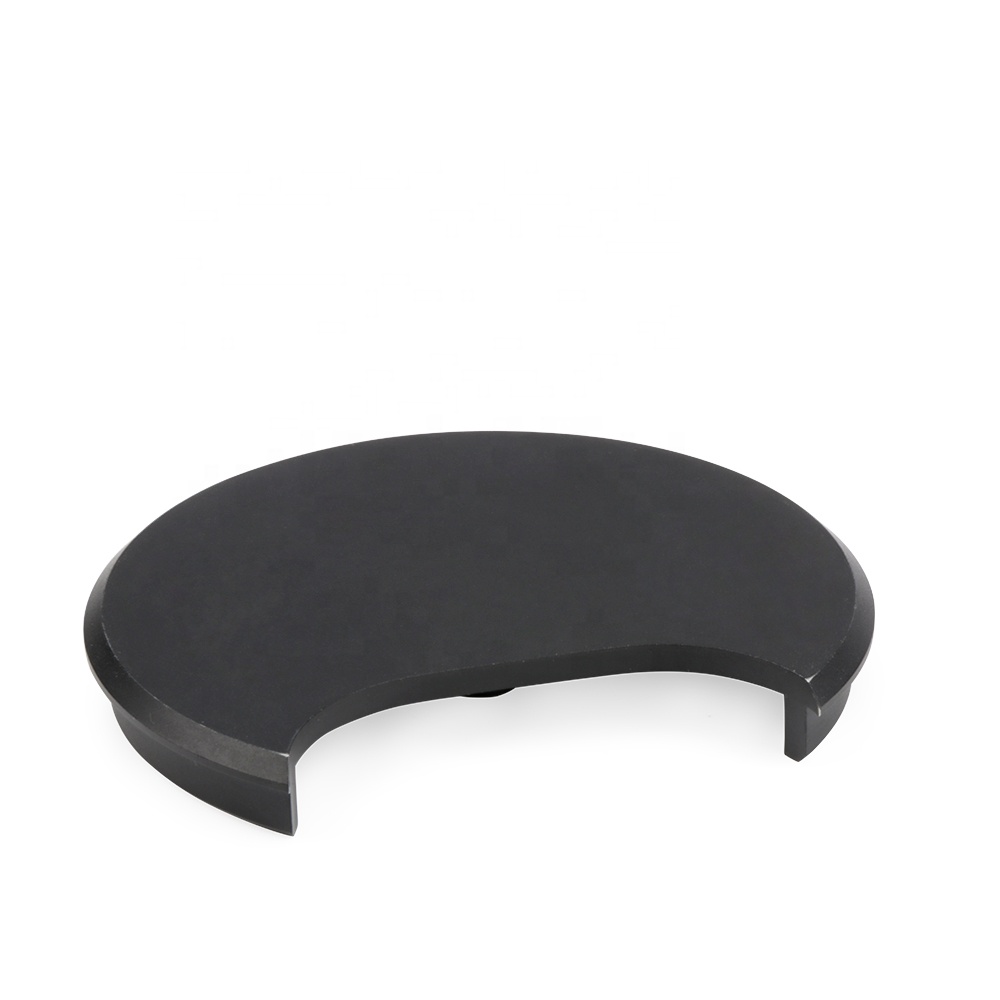
Our Precision Machining Anodized Aluminum Parts offer high-quality finishing, tight tolerances, and exceptional durability, ensuring your project's success.
minimum order
1 piece
Country of Origin
Shenzhen
Quantity
Machining Anodized Aluminum Parts
Our Precision Machining Anodized Aluminum Parts are ideal for various industries and applications. They are designed to withstand the toughest conditions, offering high-quality, corrosion-resistant and wear-resistant finishes.
With tight tolerances and exceptional durability, these parts are built to last, delivering consistent, reliable performance. From aerospace to medical devices and consumer electronics, our anodized aluminum parts are the perfect solution for your project needs. Come in quickly and choose our anodized parts, aluminum parts or anodized aluminum service, etc. you want!
- CNC Machining or Not:Cnc Machining
- Type:Broaching, DRILLING, Etching / Chemical Machining, Laser Machining, Milling, Other Machining Services, Turning, Wire EDM, Rapid Prototyping
- Material Capabilities:Aluminum, Brass, Bronze, Copper, Hardened Metals, Precious Metals, Stainless steel, Steel Alloys
- Micro Machining or Not:Micro Machining
- Place of Origin:Guangdong, China
- Material:Aluminum,Steel,Stainless steel, brass , copper,etc.
- Color:Black,Red,Blue,Green,Gold,
- Process:cnc turning and milling
- Surface treatment:Anodized, Plating, Brushing, Polishing, Blackened, Powder coating.ect
- Packing:Customized Packing
- Quality control:Guarantee
FAQ
Q: What are anodized aluminium parts?
A: Anodized aluminium parts refer to components or objects made from aluminium that have undergone the anodizing process. These parts can be found in various industries, including automotive, aerospace, electronics, consumer goods, etc. Common examples of anodized aluminium parts include casings or frames for electronic devices, automotive trim, architectural components, handles, knobs, and decorative items. Anodized aluminium parts often have improved aesthetic appeal, corrosion resistance, and wear resistance and can be color-customized to match specific design requirements.
Q: How are anodized aluminium parts machined?
A: Machining anodized aluminium parts involves various techniques to shape and form the material. The desired design, complexity, and tolerances of the part determine the specific machining processes used. Some common machining methods for anodized aluminium parts include:
1. CNC Milling: Computer Numerical Control (CNC) milling is a precise machining process that uses rotary cutters to remove material from the anodized aluminium part. CNC mills can create complex 2D and 3D shapes by following pre-programmed instructions.
2. CNC Turning: CNC turning involves rotating the anodized aluminium part on a lathe while a cutting tool shapes it into the desired form. This process is typically used to create cylindrical or symmetrical parts.
3. Drilling: Drill bits can create holes or cavities in anodized aluminium parts. Different drill types and sizes can be employed depending on the specific requirements of the design.
4. Tapping: Tapping creates internal threads in the anodized aluminium part. It involves using a tap to cut grooves or threads into the material, allowing screws or bolts to be securely fastened.
5. Deburring and Finishing: Anodized aluminium parts may undergo deburring to remove sharp edges or excess material after machining. The parts can also undergo additional finishing processes, such as polishing or sandblasting, to achieve the desired surface texture or appearance.
SEND MESSAGE
Comprehensive score