


Anodizing Parts Precision Machine Shop
HS-416
Get precision anodized parts for aluminum CNC cutting projects at our machine shop. Enhance durability, corrosion resistance and aesthetics with our high-quality services.
minimum order
1 piece
Country of Origin
Shenzhen
Quantity
Anodizing Parts Precision Machine Shop
Our anodizing parts precision machine shop provides precision anodized parts for your aluminum CNC cutting needs. Our anodizing process enhances your parts' durability, corrosion resistance, and aesthetics. We use high-quality materials and advanced machinery for accuracy and consistency.
Our services solve the issue of parts wearing out easily or corroding quickly. With our anodizing parts have an extended lifespan and improved aesthetics. Choose us for your next CNC cutting project and enhance your parts' quality.
- CNC Machining or Not:Cnc Machining
- Type:Broaching, DRILLING, Etching / Chemical Machining, Laser Machining, Milling, Other Machining Services, Rapid Prototyping, Turning, Wire EDM
- Material Capabilities:Aluminum, Brass, Bronze, Copper, Hardened Metals, Precious Metals, Stainless steel, Steel Alloys
- Micro Machining or Not:Micro Machining
- Place of Origin:Guangdong, China
- Material capability:Stainless steel, Aluminum, Copper, Brass, Plastic, etc
- Surface treatment:Electroplating, Sandblasting, Anodizing, passivation, etc
- Process:Cnc Machining, cnc lathe, achining, cnc turning and milling, Drilling
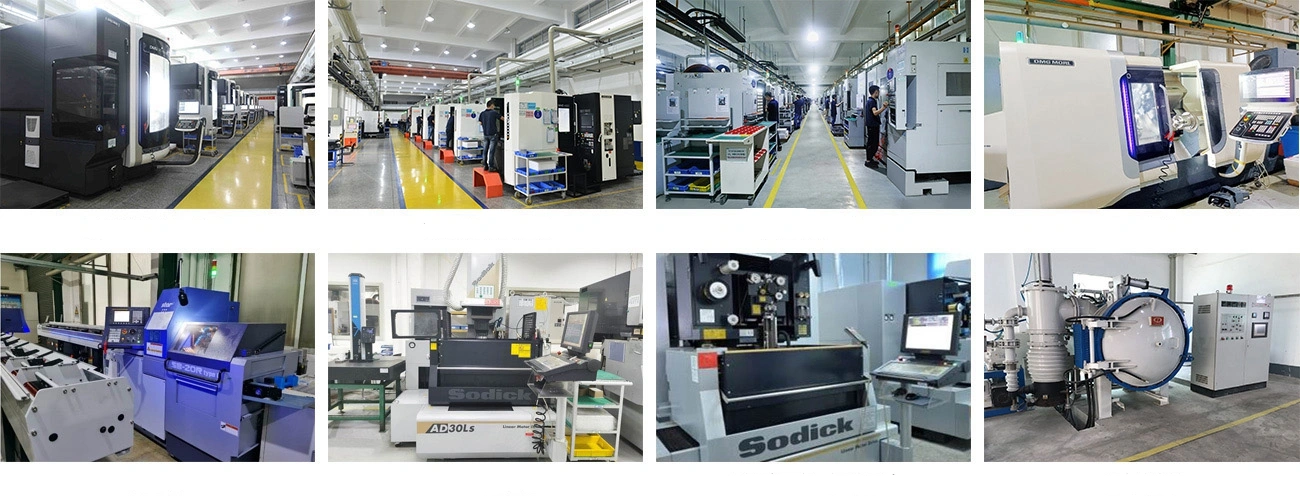
- Equipment:CNC Lathe, 3/4/5 Axis center machining, CNC automatic lathe
- Tolerance:+/-0.005mm
- Daily production:1000PCS
- Lead time:7-25 days
- Application:Medical, Automobile, Home Appliance, communication,etc
- OEM/ODM:Accecpted
- Keyword:aluminum cnc cutting
Product Showcase
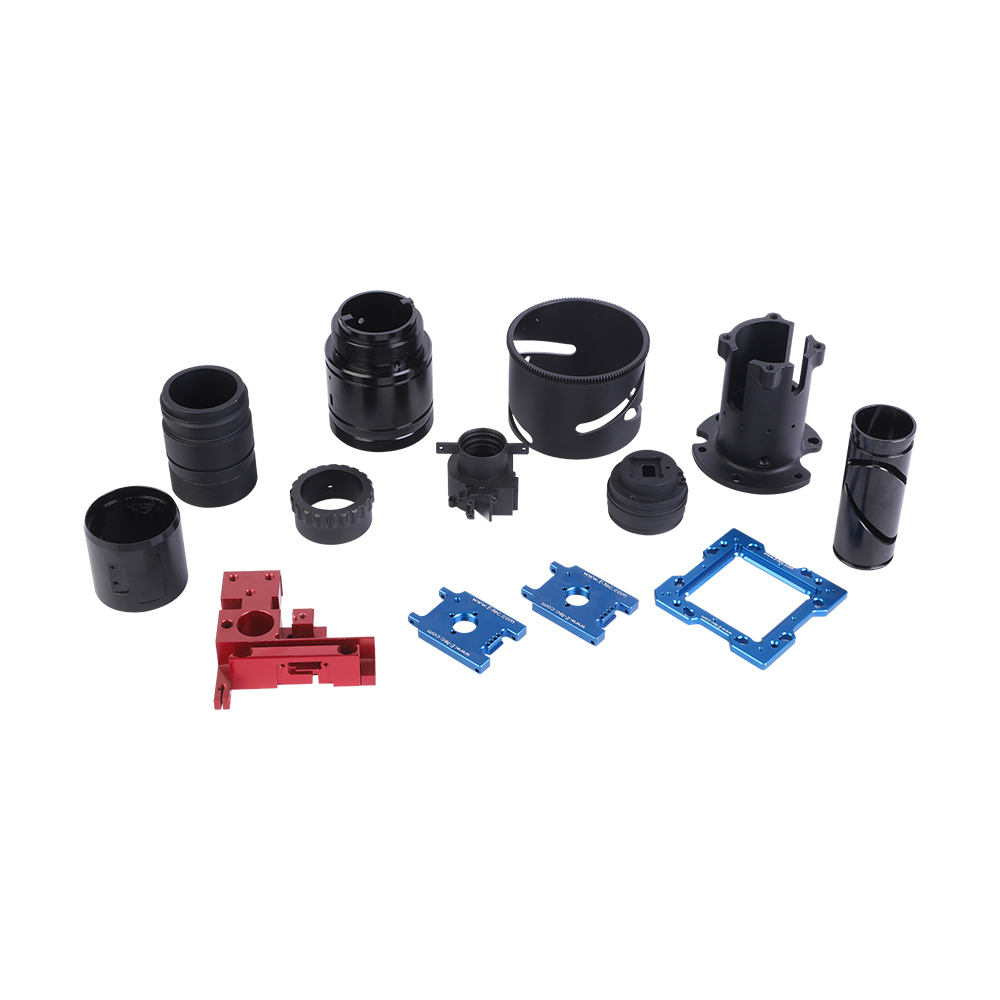
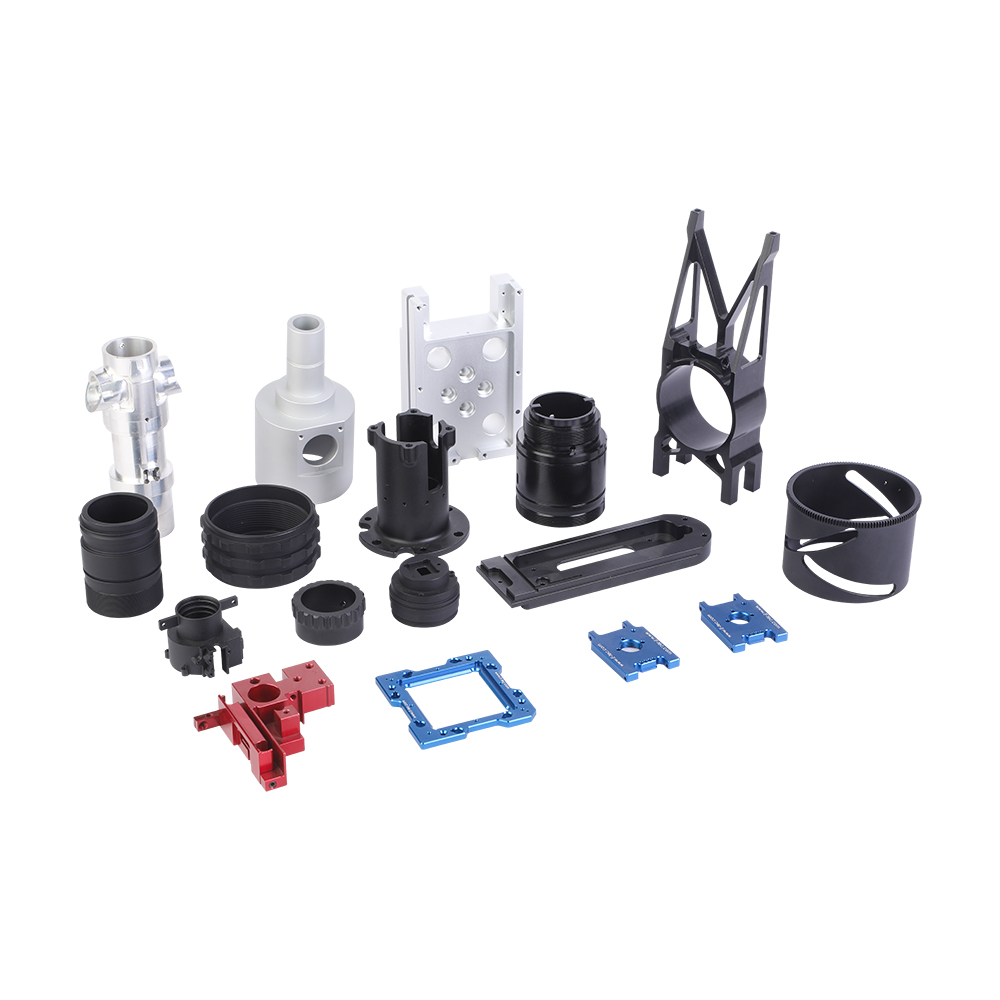
Workshop
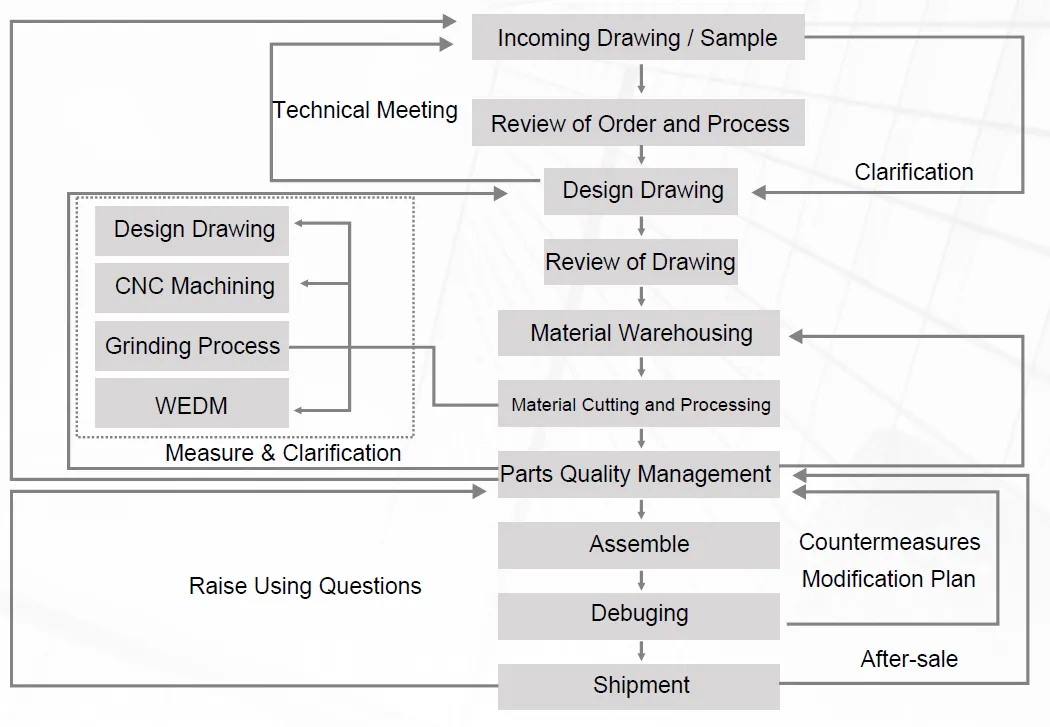
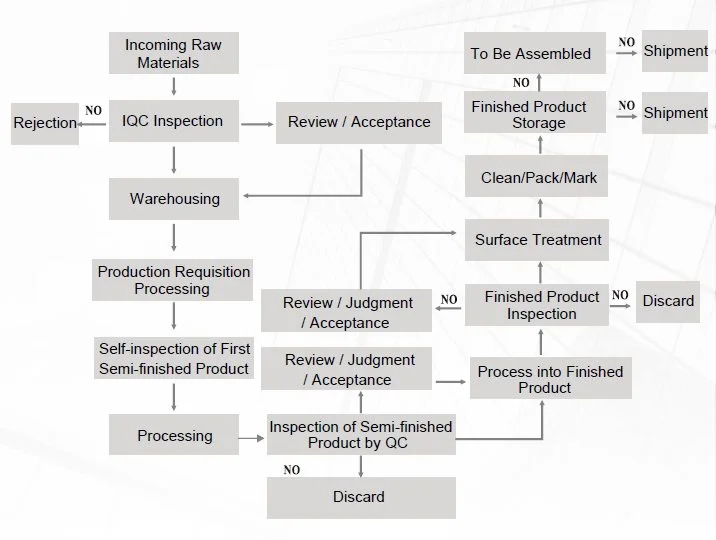
Production Flow Control Chart

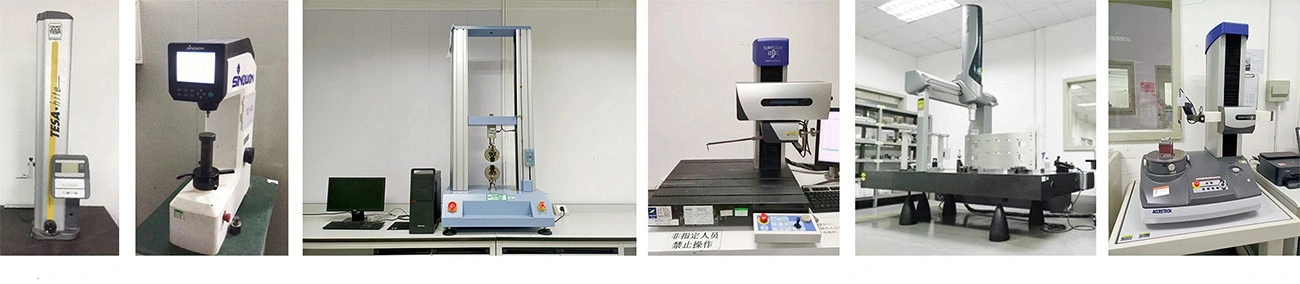
Test Equipment
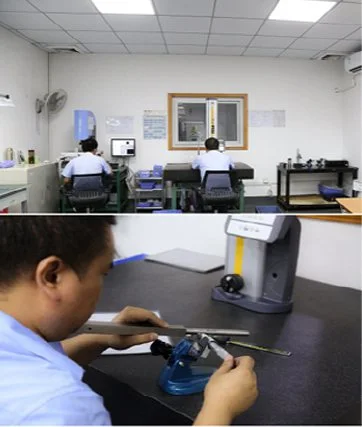
Quality Control
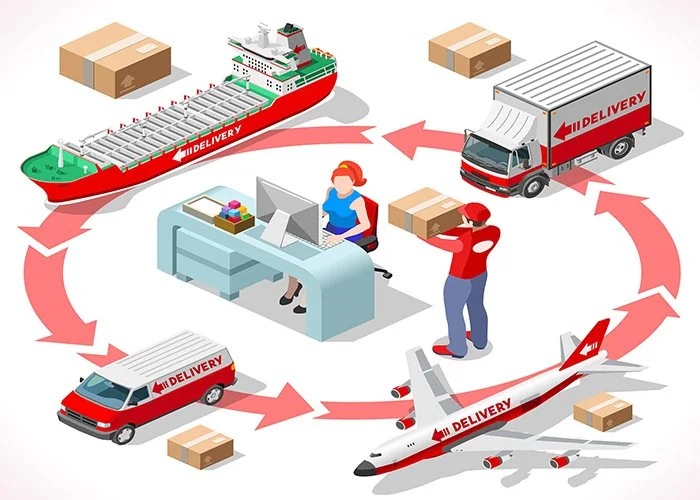
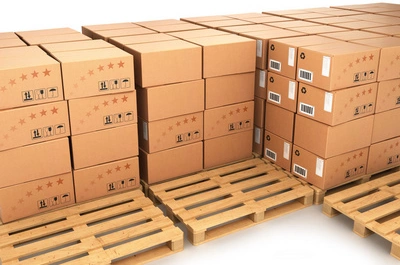
International Logistic
FAQ
1. What is anodizing?
Anodizing creates a protective layer of oxide on the surface of a metal, typically aluminum, by applying an electrical current through an electrolyte solution.
2. Why is anodizing necessary?
Anodizing provides corrosion resistance, enhances surface hardness, and improves the durability and aesthetics of the finished product.
3. What are the types of anodizing?
Several types of anodizing include sulfuric acid anodizing, chromic acid anodizing, hard coat anodizing, and decorative anodizing.
4. What parts can be anodized?
Parts made of aluminum, titanium, magnesium, and other non-ferrous metals can be anodized.
5. How thick is the anodized layer?
The thickness of the anodized layer can range from 0.0002 to 0.002 inches, depending on the type of anodizing and the desired result.
SEND MESSAGE
Comprehensive score