


CNC Machining Medical Parts
CNC Machining Medical Parts
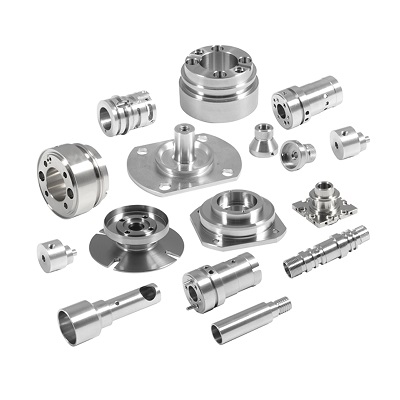
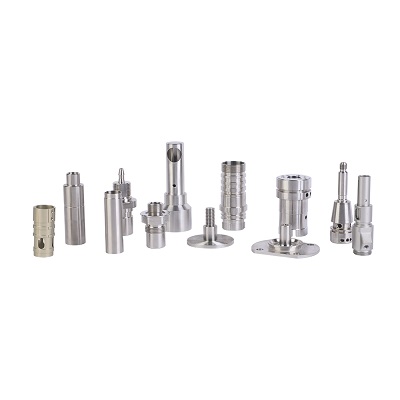
CNC machining plays a crucial role in the manufacturing of medical parts and components used in the healthcare industry. From surgical instruments to implantable medical devices, CNC machining offers precision, reliability, and versatility, making it an ideal process for producing high-quality medical components.
With CNC machining, medical parts can be precisely manufactured to meet the stringent requirements of the healthcare industry. The process involves the use of computer-controlled machines that can accurately remove material from a workpiece, resulting in intricate and complex medical parts with tight tolerances. This level of precision is critical for ensuring proper fit, functionality, and compatibility with medical equipment and devices.Medical parts produced through CNC machining are made from a variety of materials, including stainless steel, titanium, aluminum, and plastics. These materials are carefully chosen for their biocompatibility, corrosion resistance, and mechanical properties to meet the specific needs of medical applications.
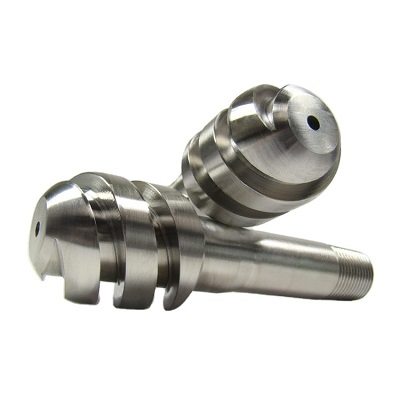
CNC machining enables the production of various medical parts, such as surgical instruments, dental implants, orthopedic components, prosthetics, and medical device housings. These parts can be manufactured in both small quantities for prototyping and larger volumes for mass production, ensuring scalability to meet the demands of the medical industry.In addition to precision and scalability, CNC machining offers other advantages for medical part production. It allows for the incorporation of intricate designs and complex geometries, ensuring optimal functionality and ergonomics. The process also facilitates the integration of features such as threads, undercuts, and pockets, which are crucial for the successful operation of medical devices.
Quality control is of utmost importance in the production of medical parts. CNC machining allows for consistent and repeatable manufacturing processes, ensuring that each part meets the required specifications. With advanced inspection techniques, including coordinate measuring machines (CMMs) and optical measurement systems, the dimensional accuracy and quality of the medical parts can be thoroughly inspected and verified.When it comes to CNC machining medical parts, it is essential to partner with a reliable and experienced manufacturer. A trusted CNC machining supplier with expertise in the medical industry can provide specialized knowledge, strict quality control processes, and adherence to regulatory requirements, such as ISO 13485 and FDA regulations.
By leveraging CNC machining for medical part production, manufacturers can achieve high-quality, precise, and reliable medical components that are crucial for advancing healthcare and improving patient outcomes.If you have specific requirements for CNC machining medical parts, feel free to contact us for further information and assistance. We are committed to delivering exceptional quality and service to meet your medical devices needs.
Product Name | CNC Machining Medical Parts |
Machining Equipment | CNC Lathe, 4/5 Axis Center Machining, CNC Automatic Lathe |
Surface Treatment | Sand Blasting/Black Anodizing/Polished/Chemical Coating |
Process | CNC Machining, CNC Lathe, CNC Turning and Milling, Drilling |
Serve | Precision CNC Machining Service |
Products Description

- CNC Machining or Not:CNC Machining
- Type:Broaching, Drilling, Etching / Chemical Machining, Laser Machining, Milling, Other Machining Services, Turning, Wire EDM, Rapid Prototyping
- Material Capabilities:Aluminum, Brass, Bronze, Copper, Precious Metals, Stainless steel, Steel Alloys, Metal Plastic
- Micro Machining or Not:Micro Machining
- Place of Origin:Guangdong, China
- Brand Name:Hansheng Automation
- Material capability:Stainless steel, Aluminum, Copper, Brass, Plastic, etc
- Tolerance:+/-0.005mm
- Lead time:7-25 days
- Application:Medical, Automobile, Home Appliance, communication,etc
- Main Prosess:Custom CNC Machining Service Aluminum Block
- OEM/ODM:Accecpted
Material | 1) Aluminum: AL 6061-T6, 6063, 7075-T etc. |
2) Stainless steel: 303,304,316L, 17-4(SUS630) etc. | |
3) Steel: 4140, Q235, Q345B,20#,45# etc. | |
4) Titanium: TA1,TA2/GR2, TA4/GR5, TC4, TC18 etc. | |
5) Brass: C36000 (HPb62), C37700 (HPb59), C26800 (H68), C22000(H90) etc. | |
6) Copper, bronze, Magnesium alloy, Delrin, POM,Acrylic, PC, etc. | |
Finish | Sandblasting, Anodize color, Blackenning, Zinc/Nickl Plating, Polish. |
Power coating, Passivation PVD, Titanium Plating, Electrogalvanizing. | |
Electroplating chromium, electrophoresis, QPQ(Quench-Polish-Quench). | |
Electro Polishing,Chrome Plating, Knurl, Laser etch Logo, etc. | |
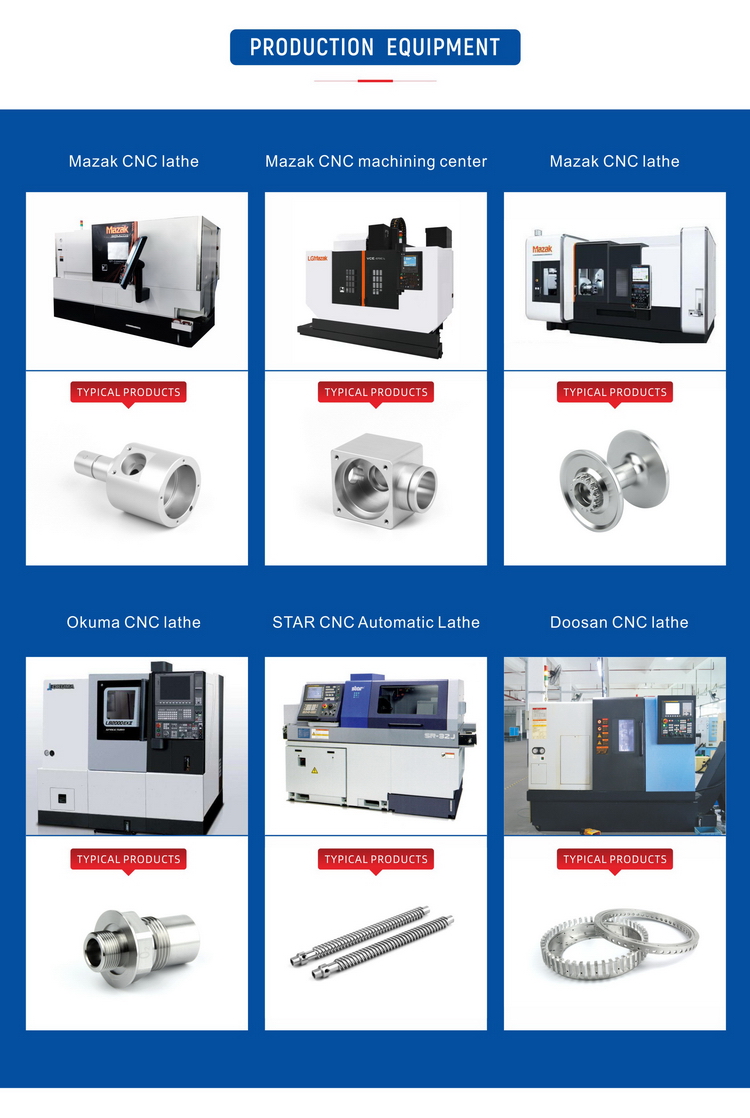
Main Equipment | CNC Machining center(Milling), CNC Lathe, Grinding machine. |
Cylindrical grinder machine, Drilling machine, Laser Cutting Machine,etc. | |
Drawing format | STEP,STP,GIS,CAD,PDF,DWG,DXF etc or samples. |
Tolerance | +/-0.01mm ~ +/-0.05mm |
Surface roughness | Ra 0.1~3.2 |
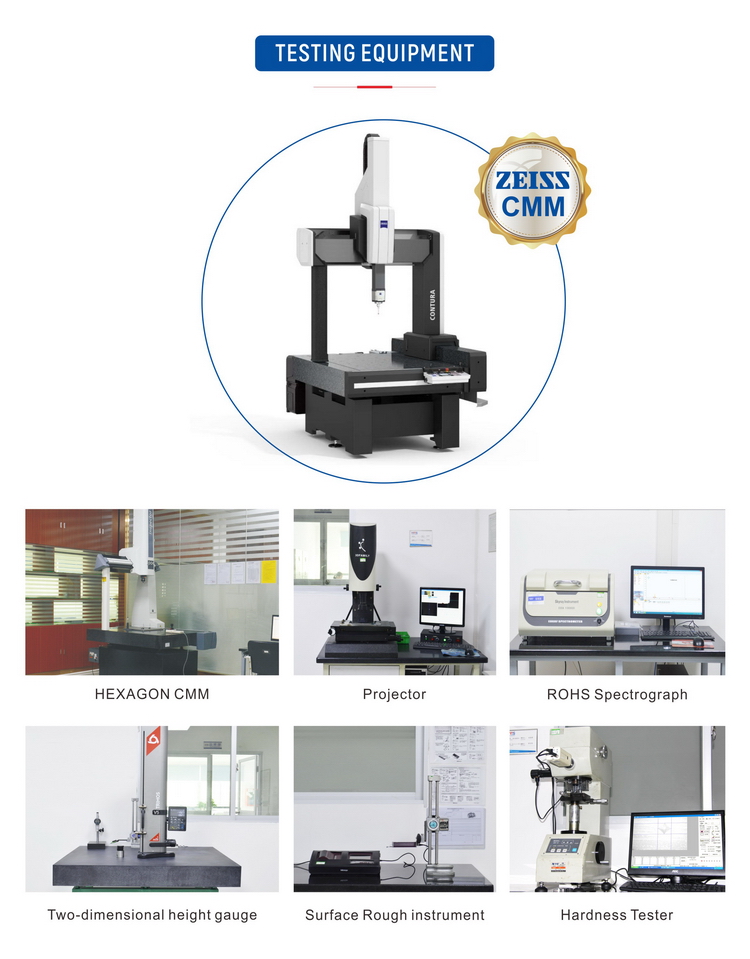
Inspection | Complete inspection lab with Micrometer, Optical Comparator, Caliper Vernier,CMM. |
Depth Caliper Vernier, Universal Protractor, Clock Gauge, Internal Centigrade Gauge. | |
Capacity | CNC turning work range: φ0.5mm-φ150mm*300mm. |
CNC milling work range: 510mm*1020mm*500mm.  |
Main Equipment
FAQ
Q: What is CNC machining, and why is it suitable for manufacturing medical parts?
A: CNC machining stands for Computer Numerical Control machining, which involves the use of computer-controlled machines to precisely shape and cut materials into desired shapes. It is ideal for producing medical parts because of its high precision, reliability, and versatility.
Q: What types of materials can be used for CNC machining medical parts?
A: CNC machining can work with a variety of materials, including stainless steel, titanium, aluminum, and biocompatible plastics. The material selection depends on factors such as desired mechanical properties, biocompatibility, and specific medical application requirements.
Q: What tolerances can be achieved with CNC machining for medical parts?
A: CNC machining can achieve tight tolerances, typically ranging from +/- 0.05 mm to +/- 0.1 mm. However, the achievable tolerance depends on the specific part geometry, material, and machining process.
Q: Can CNC machining produce complex and intricate medical part designs?
A: Yes, CNC machining is well-suited for producing complex and intricate medical part designs. The computer-controlled machines can accurately follow complex 3D designs, allowing for the creation of intricate features, undercuts, threads, and pockets.
Q: How is the quality of CNC machined medical parts ensured?
A: Quality control is critical in the production of medical parts. CNC machining allows for consistent and repeatable manufacturing processes, and rigorous quality control measures, including thorough inspection using advanced techniques such as CMMs and optical measurement systems, can verify the dimensional accuracy and quality of the parts.
Q: Can CNC machining be used for both prototyping and mass production of medical parts?
A: Yes, CNC machining is highly flexible and suitable for both prototyping and mass production. It can efficiently produce small quantities for initial testing and evaluation, as well as larger volumes for commercial production, ensuring scalability to meet the demands of the medical industry.
Q: Are CNC machined medical parts compliant with industry regulations?
A: Yes, reputable CNC machining manufacturers ensure compliance with industry regulations such as ISO 13485 (Quality Management Systems for Medical Devices) and FDA regulations. They have quality management processes in place to meet the required standards and maintain regulatory compliance.
Comprehensive score